
Full crawl space encapsulation in Charlotte costs $4,200–$13,500 — the NC band. The closed-crawl design is home-state science: vented Piedmont crawls measured above 80% RH in state research while sealed crawls held far drier, and the system we install — Class I barrier, closed vents, sized drying — is the one that data validated.
The sequence, the tiers, and why the research standard means readings at handover.
The sequence the studies assumed
Closed-crawl research worked because the installs were complete, and ours follow suit: water first — Cecil clay holds storms against footings, so drainage precedes any liner where liquid shows. Wood second — spans softened by the 80% seasons get repair while access is open. Growth handled — colonized framing gets treatment before the space closes. Seal and dry — Class I boundary, vents closed, and mechanical drying holding the number the research promised. Partial versions skip steps and rediscover why the studies didn't.
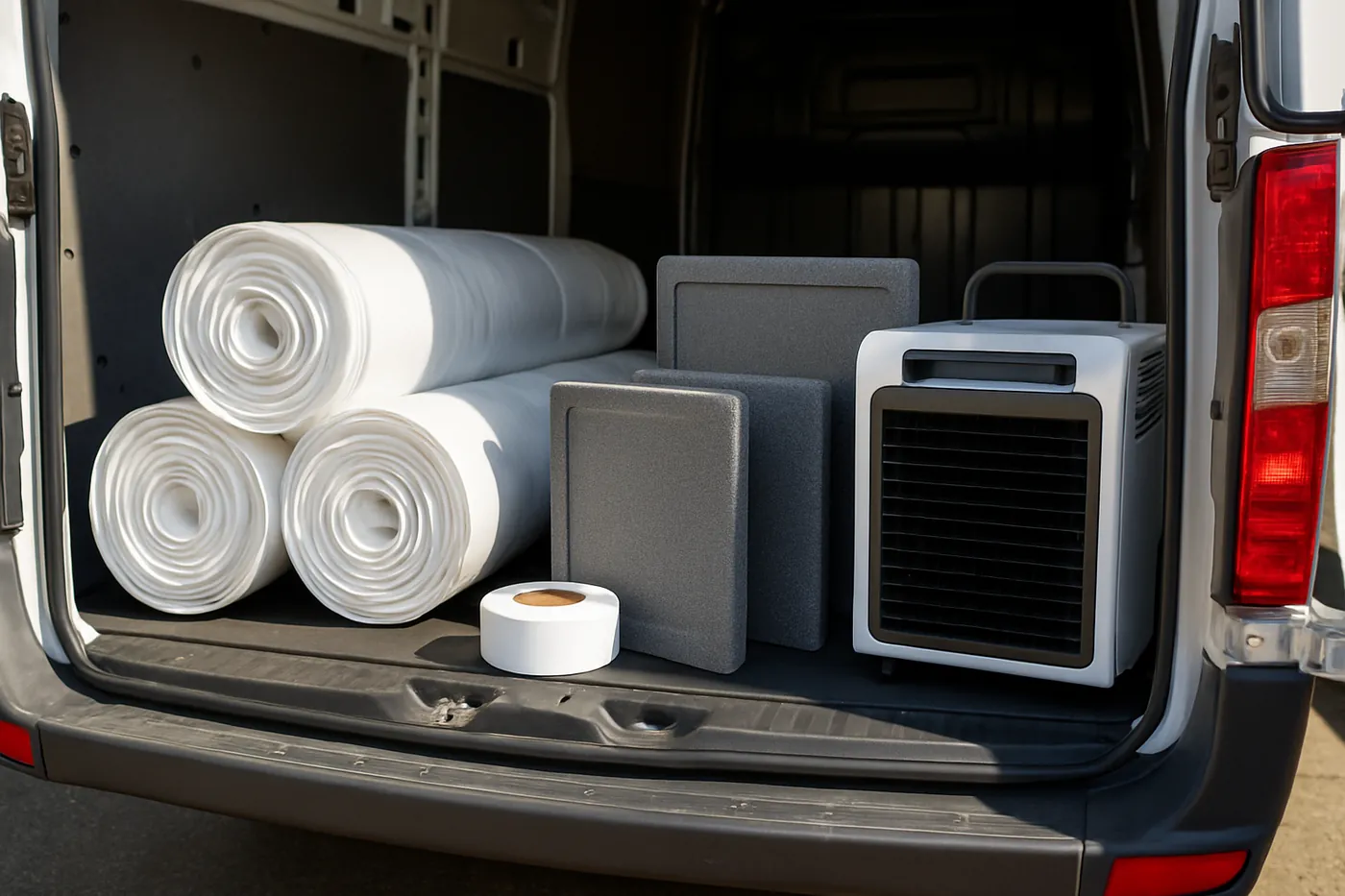
Tiers, priced to the band
| Tier | Right when | Range |
|---|---|---|
| Vapor barrier | Dry ground; vapor the only import | $1,500–$4,000 |
| Barrier + drainage | Clay-held water present | $3,500–$8,000 |
| Full encapsulation | The complete closed crawl | $4,200–$13,500 |
| + Structural repair | Softened spans at inspection | Per written scope |
Every tier ships photographed with before-readings; full systems commission with after-readings and a phone-visible sensor.
What the biggest market should expect
In the country's largest crawl space market, encapsulation quotes span everything from staple-jobs to science. The difference is auditable: liner class, seam and pier treatment, vent closure, drying model, and readings promised — itemized, or it's a summary-line gamble. We quote to the research standard because Charlotte's housing stock deserves the version its own state proved.
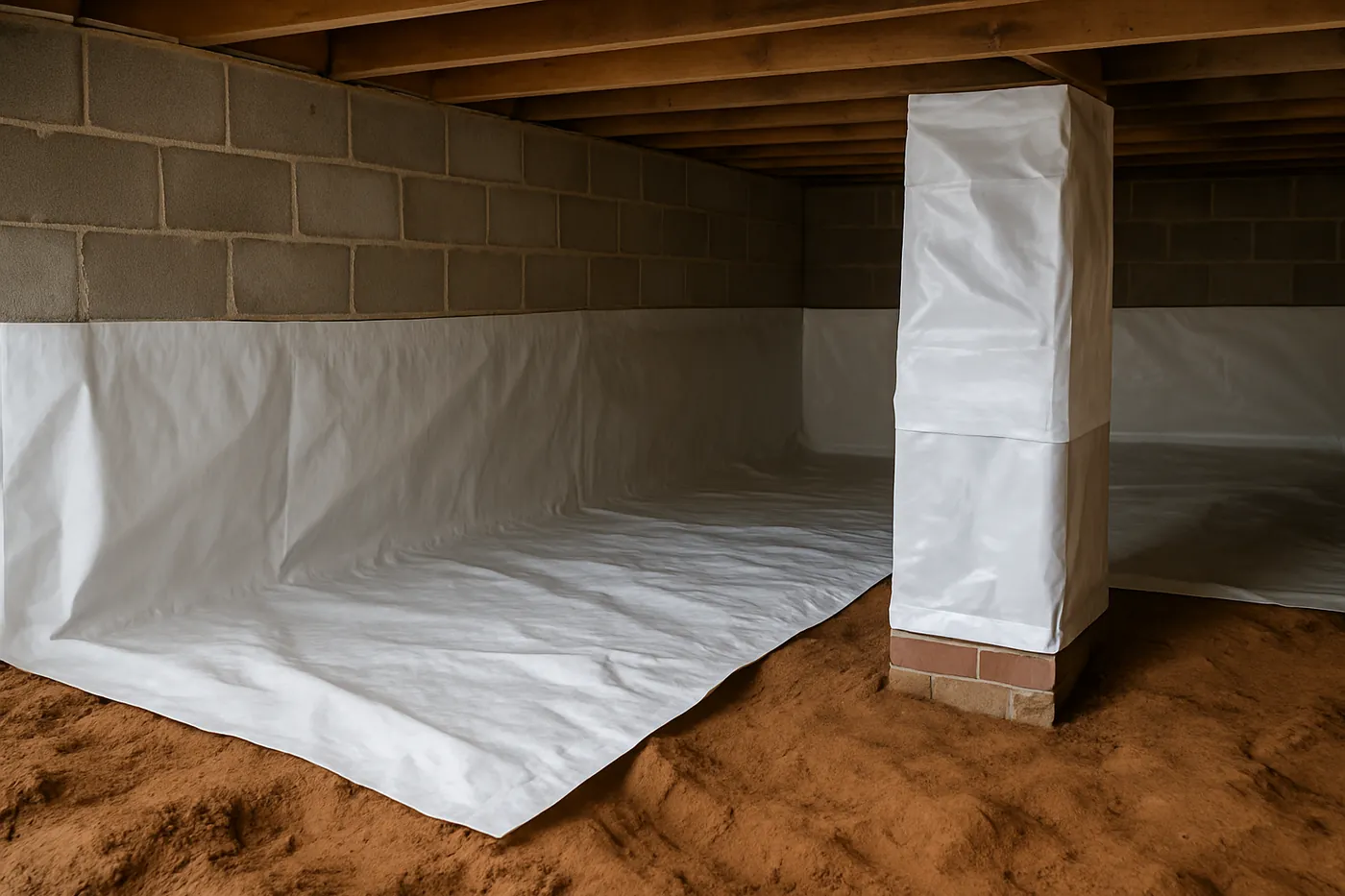
Closed-crawl science, proven in this state
North Carolina didn't adopt sealed crawls on theory — the state's own building research measured it: vented Piedmont crawls ran above 80% relative humidity through much of spring and summer while closed crawls in the same study stayed under 65%, below the line where wood feeds rot and mold. That research is why NC is the country's largest crawl space market and why the sealed spec here is settled practice: Class I liner across the red clay and up the block, vents closed and sealed, mechanical drying holding the crawl in the healthy band. Charlotte encapsulations run $4,200–$13,500 with size and repair findings setting the position.
The Cecil-clay detail that separates good installs: ground prep. Red clay holds moisture against the liner year-round, so seams get overlapped and taped to spec, the liner gets sealed at every pier, and drainage precedes plastic wherever the inspection finds standing water — sealing water into a crawl is the one way to make a bad crawl worse.
Encapsulation questions, straight answers
What does a complete Charlotte encapsulation include?
The closed-crawl design NC validated: water managed first where Cecil clay demands it, Class I barrier across ground and walls with piers wrapped and seams taped, vents permanently closed, and mechanical drying sized to hold 45-55% RH — commissioned with documented readings.
Where does my house land in the $4,200-$13,500 band?
Square footage anchors; water and wood adjust. Dry, sound crawls under smaller ranches price low; clay-held storm water adds the drainage stage; framing softened by years above the line adds repair. The photographed inspection positions yours with readings, not roundness.
Why should I trust the closed design over the vents my house came with?
Because your state tested both on your soil: NC's closed-crawl research measured vented Piedmont crawls above 80% RH for whole seasons and sealed ones dramatically drier in identical conditions. The vents were a theory; the data retired it; the code (NC's R408.3 adoption) blessed the replacement.
Do brick ranches encapsulate well?
They're the format the retrofit loves: block walls that seal cleanly, honest mid-century framing that repairs predictably, and vented designs whose closure pays off immediately upstairs. Charlotte's ranch stock is the national poster child for this work.
What proof do I get that it worked?
Numbers, start to finish: inspection readings documenting the before, commissioning readings documenting the drop, a humidistat holding 45-55%, and a remote sensor reporting to your phone. NC's research set the instrument standard; our installs keep it.
Get a free Charlotte crawl space inspection
Tell us what you're noticing — smells, humidity, floor bounce, a wet crawl — and we'll schedule an inspection with photos of what we find. We reply the same business day.