A complete seal-and-dry for a Belmont crawl space costs about $4,200–$13,500, and single stages cost less. Belmont requests go to one independent local specialist; ask whether the inspection carries a fee, and ask for photos, humidity numbers and a written price broken out by stage.
River-town revival, river-town air
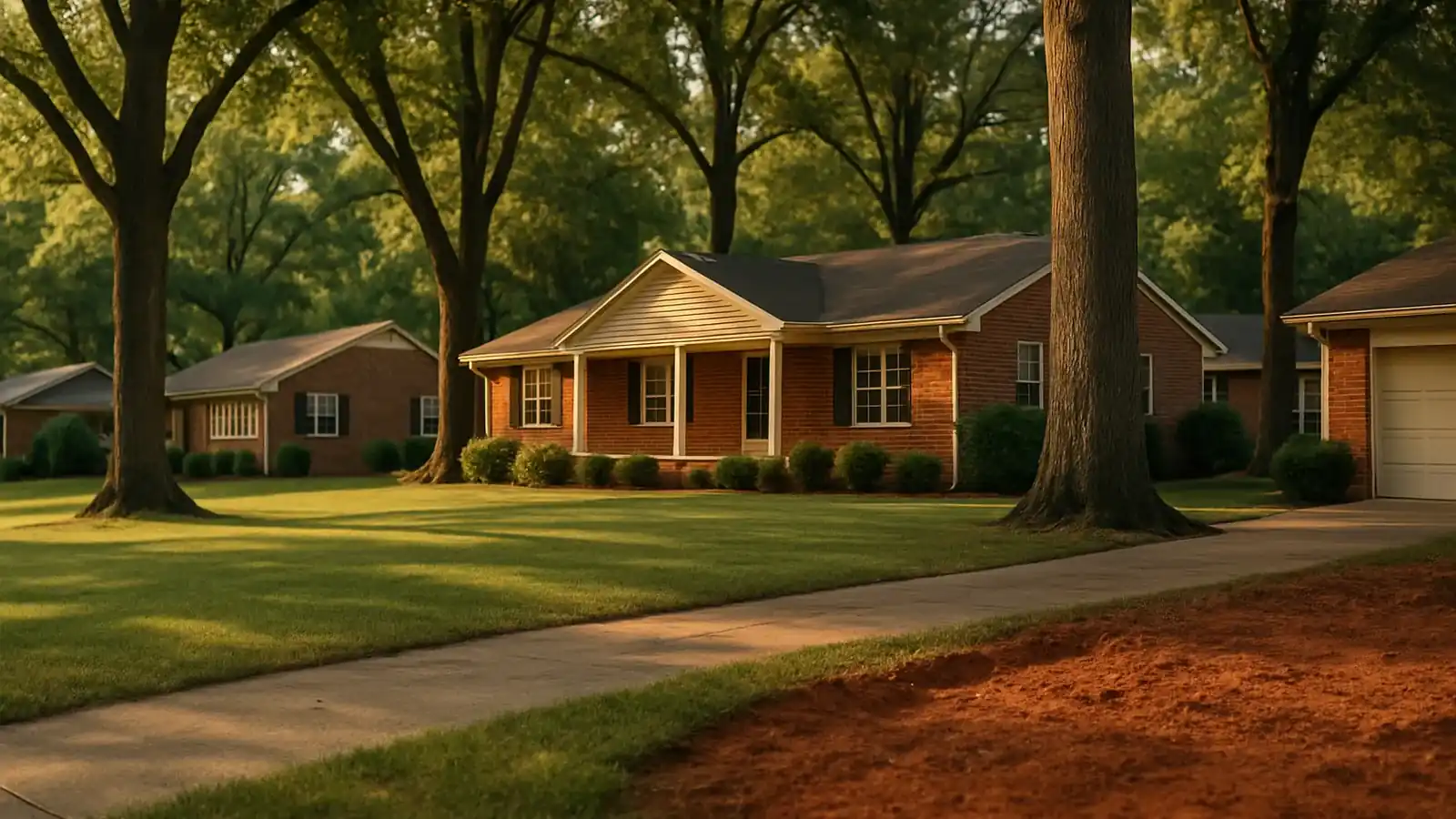
Belmont's renaissance filled its mill-village streets and added new construction beside them. All breathing Catawba-corridor air that runs a note moister than the inland metro. Village-era houses ride low pier crawls a century old; the new stock vents the standard design; and riverside lots add the corridor's higher tables and morning fogs to the moisture budget.
Corridor-sized systems
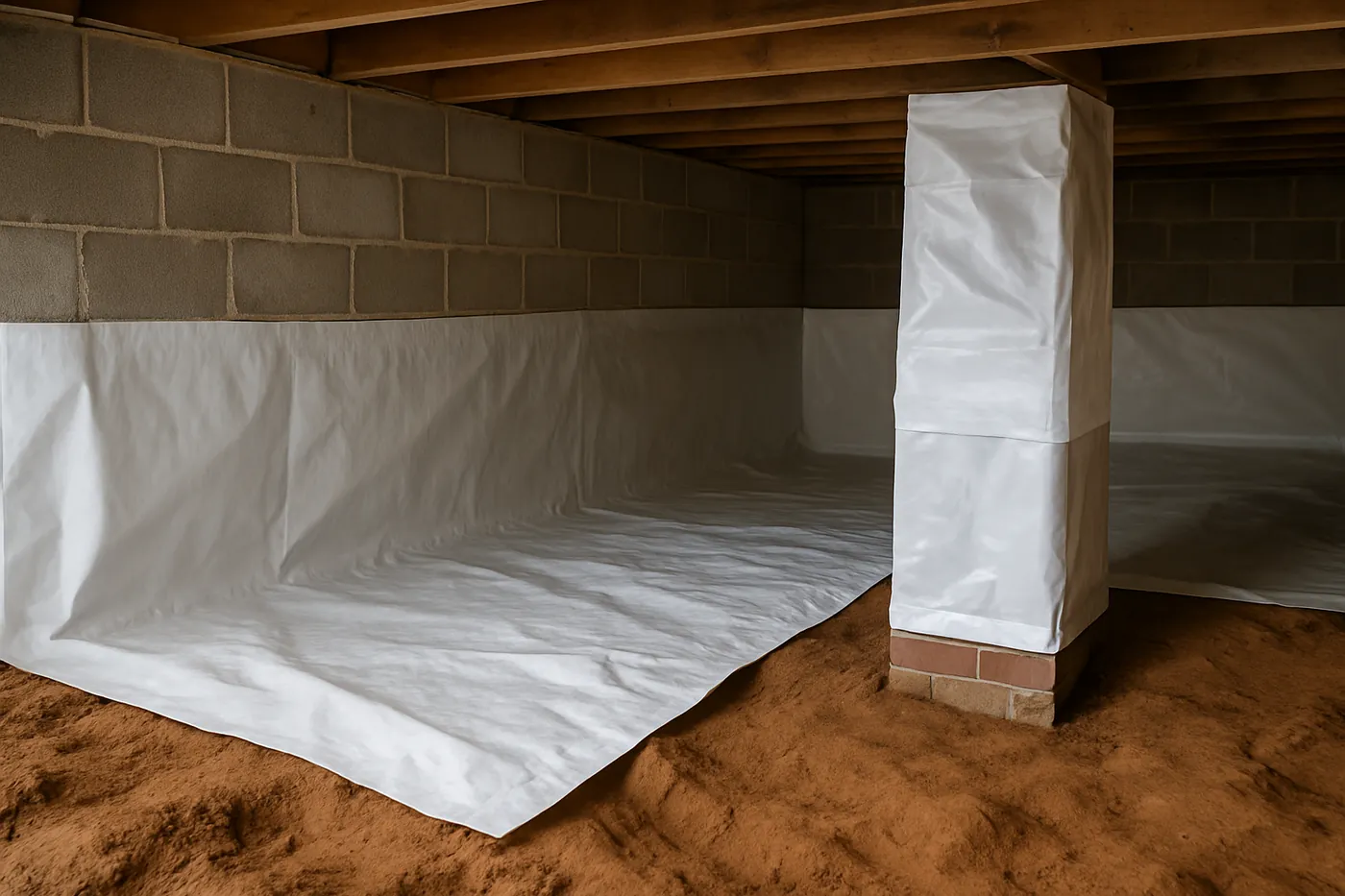
Belmont scopes size for the river: drying capacity rated for corridor air, drainage respecting riverside tables, and the village stock's structural reads distinguishing century character from active softening. Mill-house fitted liners are a common local need. The same inspection applies from the abbey side to the river.
Asked in Belmont
Does living near the Catawba make crawl drying harder?
It makes sizing matter: corridor air delivers more moisture more consistently, so dryers rate up a notch and seals get tightened attention. Systems hold their numbers fine here. They just earn them with honest margin rather than optimism.
Our mill house was renovated beautifully upstairs. Does the crawl need matching?
It's the renovation most flips skip, and the one protecting the rest. A sealed, dried crawl under restored floors keeps the new finishes flat and the old framing sound; it's the invisible half of a village-house revival, and buyers' inspectors notice it.
Does Belmont's mill history mean asbestos or lead concerns in crawl work?
Old enough houses can carry old materials (wrapped pipes, early insulation, painted framing) and good crawl crews stop, not disturb: suspect materials get flagged for licensed assessment before work proceeds around them. It's uncommon, it should be handled by protocol, and it's exactly the kind of finding a careful inspection surfaces before anyone's under your house on a deadline.
What's the right drying target for a Belmont crawl near the river?
Same band as everywhere (hold under 55% relative humidity) but the river raises the difficulty, so equipment sizes up and commissioning happens against summer conditions, not spring ones. A Catawba-adjacent crawl that holds 52% in August is properly specified; one that holds it only in April is a warranty claim waiting for July.

Belmont's two housing stocks, in numbers
The 2020-2024 Census estimates count about 6,730 housing units in Belmont, and they split sharply. About 13 percent were built before 1940, roughly 850 homes, a large pre-war share for a town this size. Yet the 2010s are the biggest decade at about 27 percent, and more than half the town dates from 2000 or later; the median home was built in 2002. Very little was built in between: the 1960s through 1980s add only about 14 percent combined. So a Belmont inspection is usually either a century-old pier crawl or a nearly new vented one, with few cases in the middle.
Catawba-side creeks and Gaston County permits
USGS has records on Catawba Creek near Cramerton and on the South Fork Catawba River at McAdenville, both close to town. Building and trade permits for Belmont come from Gaston County Building Inspections, which lists the city among the towns it serves and enforces the State Building Codes; ask the specialist to pull any electrical permit a dehumidifier circuit needs.
Next step for a Belmont crawl
Keep a note of the weeks the house smells damp, especially after rain. The inspection usually runs under an hour and should leave photos and humidity readings with you. The cost guide explains each price.
Get a Charlotte crawl space inspection
Tell us what you're noticing (smells, humidity, floor bounce, a wet crawl) and we'll pass your request along for an inspection. A local specialist who serves Charlotte will call you back.