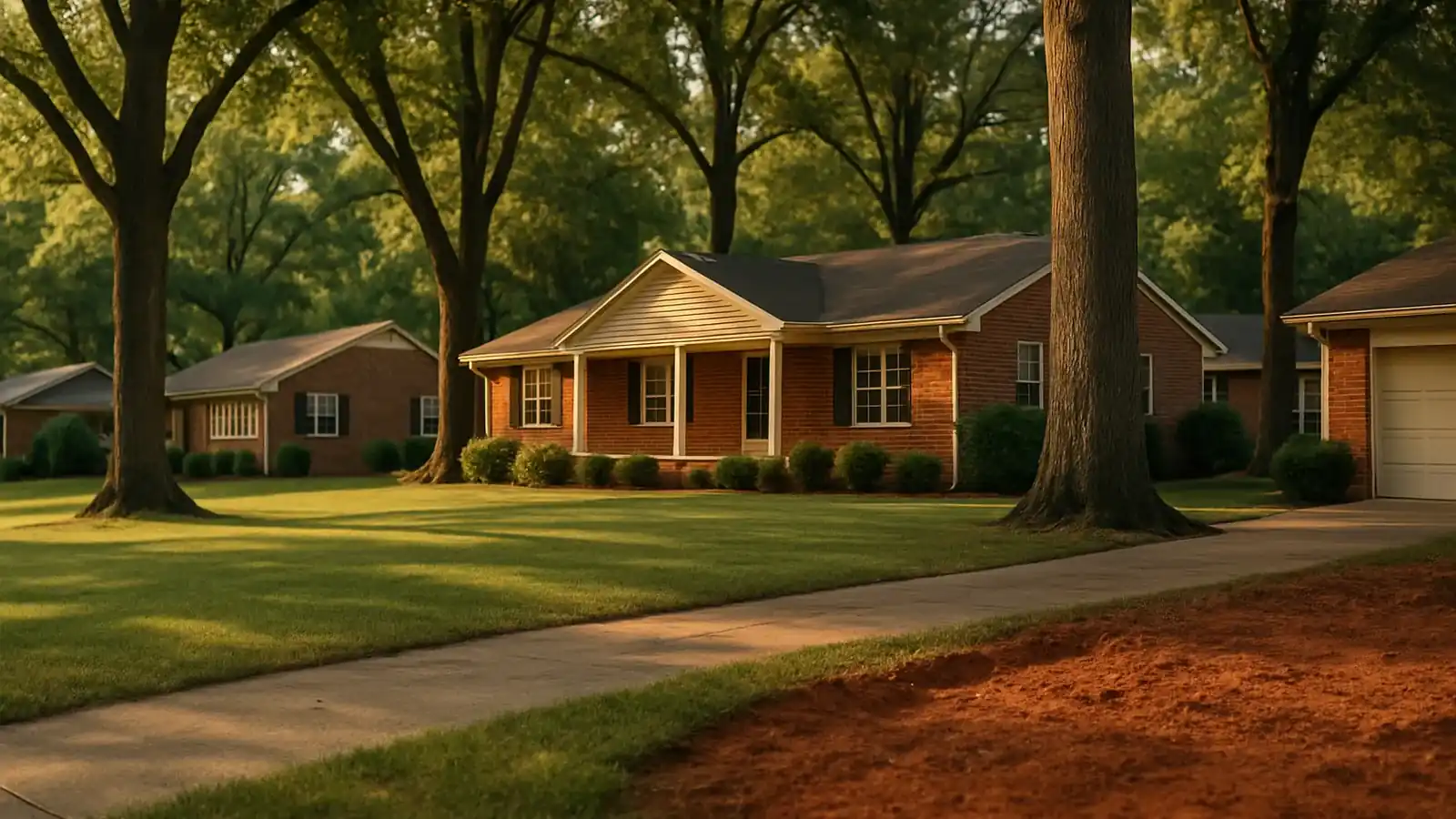
A full crawl space encapsulation in Mount Holly costs about $4,200–$13,500, and barrier or drainage stages cost less. Mount Holly requests go to one independent local specialist, and the inspection should take readings before any price.
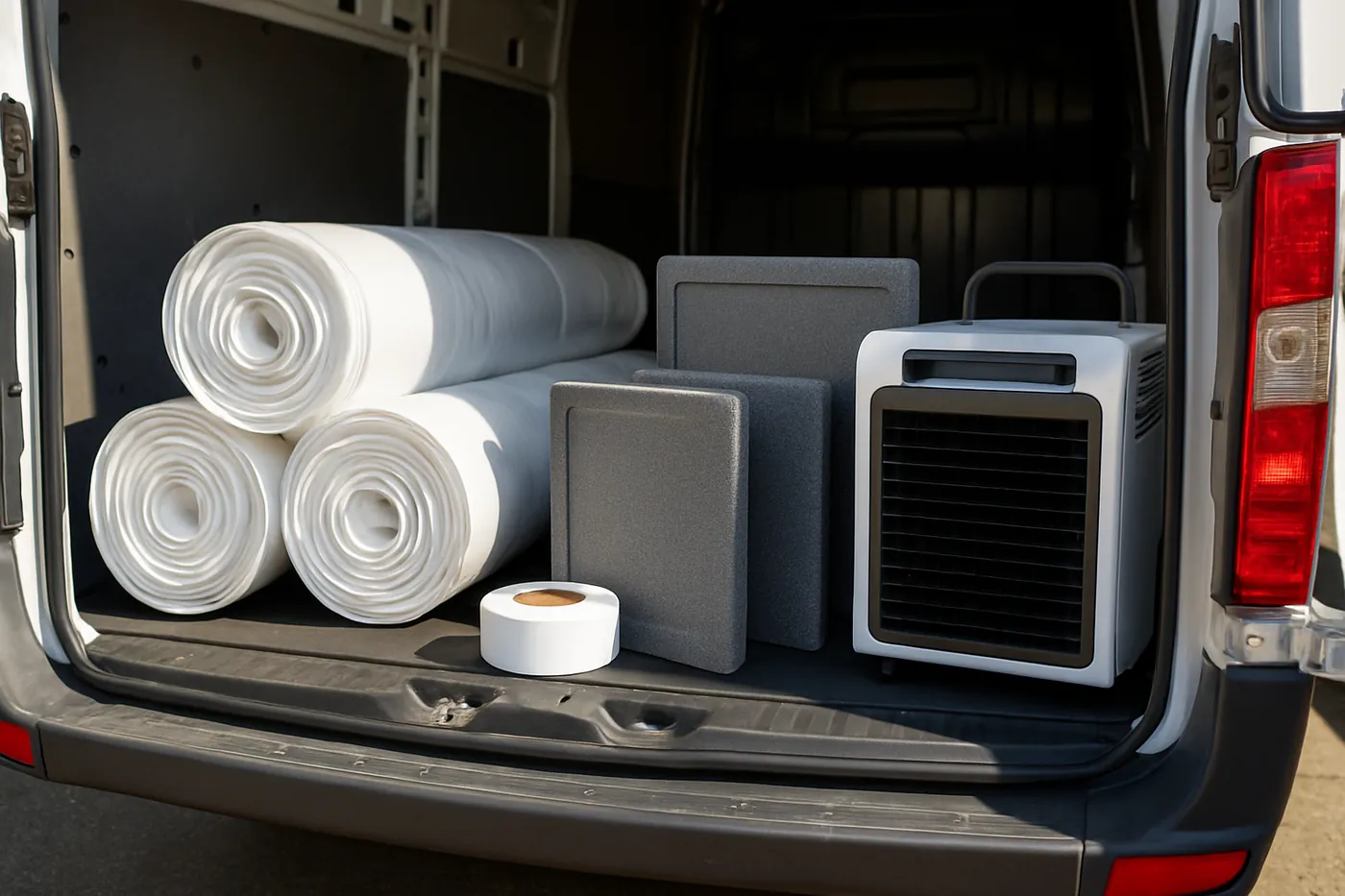
West-bank vintage
Mount Holly worked the river's west bank through the textile century, and its housing remembers: mill-village streets on pier crawls, mid-century infill on vented block, newer growth climbing away from the water. The west bank shares the corridor's moisture budget (fog-fed air, patient riverside tables) and its older crawls have logged a century of it. The docket: village-house structural reads, corridor-sized drying, and the occasional riverside water stage.
Textile-town thoroughness
Village crawls get the vintage sequence (probe-honest structural assessment, fitted liners, treatment where the humid century grew things) and the newer stock runs the standard closed-crawl package with corridor sizing. Every scope should open with photographs and readings; west-bank owners see their crawl's century before pricing its future.
Asked in Mount Holly
A century of river humidity: is the framing even saveable?
Usually more than owners fear: old-growth lumber resists impressively, and softening concentrates where moisture did, sills, vent-adjacent edges, the dampest bays. The probe maps exactly what a hundred years took; sistering and sills typically restore full service without drama.
Are the problems the same on both banks?
The corridor is even-handed, both banks share the air, the tables, and the vintage stock. Belmont and Mount Holly scopes read as siblings; the lot-level water trace writes the only real differences.
Is crawl work in Mount Holly's newer developments different from the historic core?
Two different jobs. The historic core is preservation work: brick piers, old-growth framing, a century of moisture ledger to read before sealing. The newer developments are prevention work: young framing worth protecting before the humid decades accumulate, often at the efficient end of the price range. Same doctrine, opposite ends of the timeline.
Is crawl work coordinated with pest control on Mount Holly crawls?
Routinely: sealed crawls and termite protection overlap here. A good installer schedules around active treatments, leaves inspection gaps at the liner's wall interface (pest companies need to see the block), and shares the framing photos when the homeowner asks. A sealed crawl done right makes the pest contract's job easier, and both trades know it.
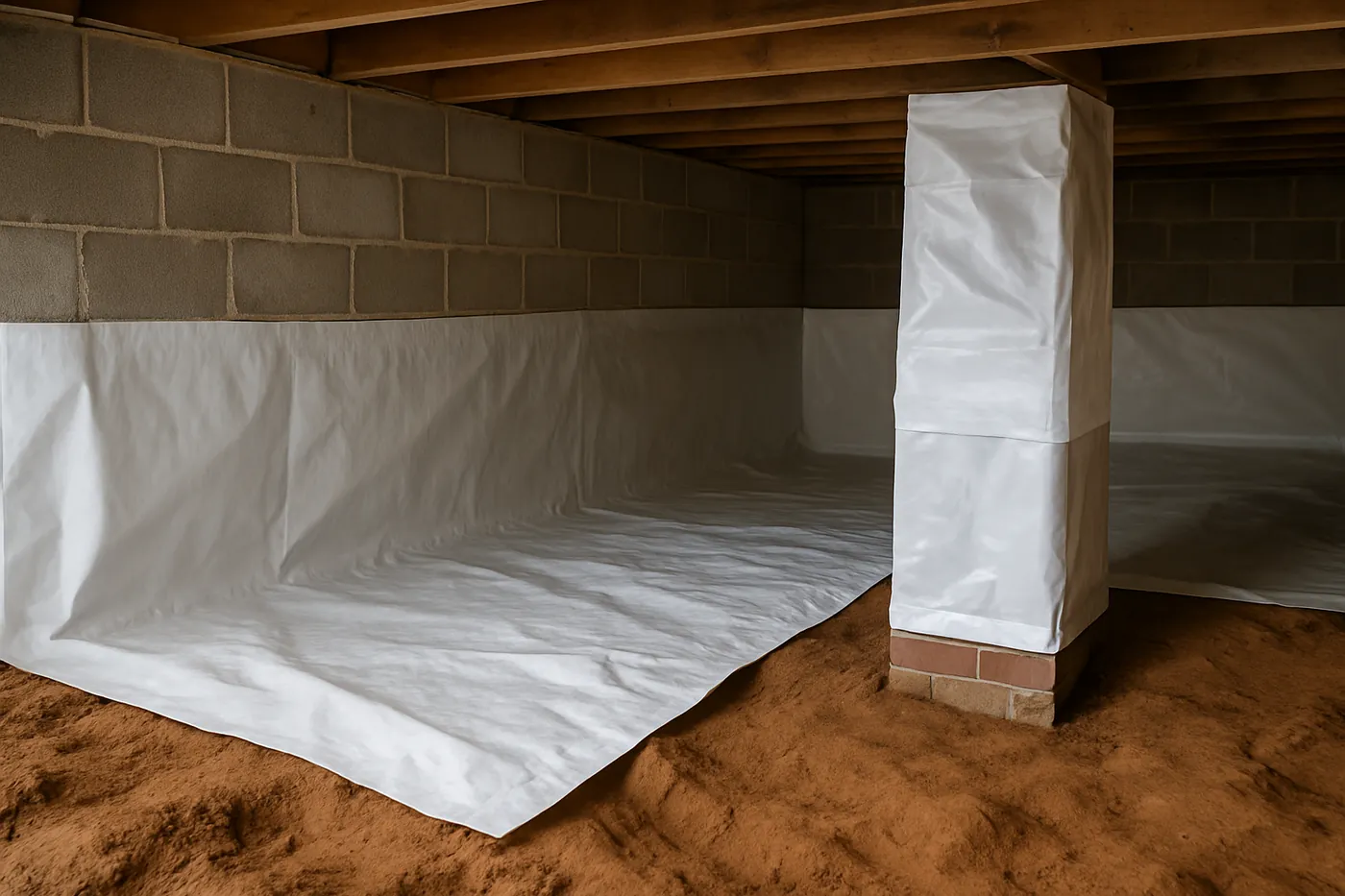
Mount Holly's mix, counted
About 7,600 housing units stand in Mount Holly in the 2020-2024 Census estimates, median year built 1999. Nearly half date from 2000 or later, the 2000s and 2010s at about 24 and 22 percent. The older side is real too: about 6 percent predates 1940 and the 1950s add about 10 percent, so roughly one home in five is more than sixty-five years old. Those are the village and mid-century crawls described above; the rest are young vented crawls just entering their moisture years.
The Catawba River and Gaston County permits
The city's floodplain administration page names the Catawba River and points to the NC Floodplain Mapping Program and the National Flood Insurance Program. USGS has records on the Catawba at Highway 27 at Mount Holly and on Dutchmans Creek nearby. Mount Holly issues zoning compliance permits, while building and trade permits go through Gaston County Building Services, so ask the specialist to pull the county permit when a job needs one.
Mount Holly and the wider metro
All the towns covered are on the service areas page, and the Charlotte crawl space overview explains the region. Ask whether the inspection carries a fee, and keep the photos and readings.
Get a Charlotte crawl space inspection
Tell us what you're noticing (smells, humidity, floor bounce, a wet crawl) and we'll pass your request along for an inspection. A local specialist who serves Charlotte will call you back.